
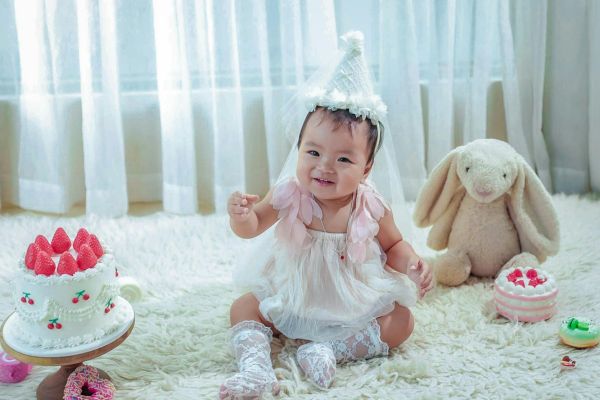
A baby’s first birthday feels bigger than an ordinary party. It marks twelve months of first smiles, sleepless nights, new routines, tiny milestones, and a year of watching a personality slowly appear. For parents, it can be emotional. For the baby, however, it is still just another day filled with familiar faces, food, noise, and hopefully a comfortable nap.
That difference matters when planning the celebration. A useful baby’s first birthday party checklist should help create a warm, memorable gathering without turning the day into an exhausting production. The best first birthdays are usually not the most elaborate. They are the ones that feel relaxed, well timed, and suited to the child at the center of everything.
Decide What Kind of Celebration Feels Right
Before choosing decorations or ordering a cake, think about the type of party that fits your family. Some parents imagine a lively gathering with extended relatives and friends. Others prefer a quiet afternoon with grandparents, siblings, and a few close guests.
Neither choice is more meaningful than the other.
Consider your baby’s temperament, the amount of space available, your budget, and how much preparation you realistically want to manage. A child who becomes overwhelmed in noisy environments may enjoy a smaller gathering. A sociable baby who is used to family events may be comfortable with a larger crowd.
It also helps to decide what you want to remember most. Perhaps the goal is to bring loved ones together, take a few beautiful photographs, continue a family tradition, or simply mark the year with cake and laughter.
Choose a Date Around the Baby’s Routine
A first birthday party does not have to take place on the exact birthday. In fact, choosing a nearby weekend may make the event easier for everyone.
The time of day is often more important than the date. Plan the celebration around the baby’s usual naps and meals. A party that begins shortly after a nap is more likely to include cheerful expressions than one scheduled during the child’s tiredest hour.
Late-morning or early-afternoon gatherings often work well because they avoid bedtime and allow guests to leave before the baby becomes overstimulated. Keep the event relatively short. One and a half to two hours is usually enough time for greetings, food, photographs, cake, and a little play.
Even with careful timing, babies are unpredictable. Leave room for delays, feeding breaks, or a sudden need for quiet.
Create a Guest List That Suits the Space
The guest list shapes the entire mood of the party. Begin with the people you genuinely want present, then consider whether the venue can comfortably hold them.
First birthdays sometimes grow quickly because parents feel obligated to invite every relative, neighbor, colleague, and family friend. This can lead to a crowded room and an overwhelmed child. A smaller list may create more opportunity for meaningful conversation and relaxed photographs.
When inviting families with children, think about their ages and needs. Older children may require simple activities, while toddlers need safe space to move. Make sure parents know whether siblings are included so there is no confusion.
Send invitations early enough for guests to plan, but there is no need to make them overly formal. Include the date, time, location, expected end time, and any helpful parking or arrival details.
Select a Simple Theme or Color Direction
A theme can make planning easier, but it does not need to take over the party. The baby will not care whether every cup, balloon, and napkin matches perfectly.
Some families choose themes based on a favorite animal, storybook, toy, season, or nursery color. Others use a simple palette such as soft blue and cream, peach and gold, earthy neutrals, or bright primary shades.
Choose something broad enough that decorations are easy to find or create. A garden theme, for example, can include flowers, greenery, butterflies, or soft outdoor colors without requiring every item to display the same design.
Keeping the visual direction simple also makes photographs feel less cluttered. A few thoughtful decorations often have more impact than covering every surface.
Plan Decorations With Safety in Mind
Decorations should look festive without creating unnecessary hazards. Balloons, banners, paper fans, fabric backdrops, and family photographs can transform a room quickly.
Keep small decorative pieces out of reach, especially anything that could become a choking risk. Secure table coverings and lightweight displays so they cannot be pulled down. Balloon fragments can also be dangerous, so damaged or burst balloons should be removed immediately.
A photo area can be especially useful. It gives guests a clear place to take pictures and helps keep the background consistent. This might be a simple wall with a birthday banner, a few balloons, and a chair or small bench.
Consider displaying monthly photographs from the baby’s first year. They add a personal touch and naturally encourage guests to pause and notice how much the child has changed.
Organize Food for Adults and Children
Party food does not need to be complicated. Choose items that can be prepared in advance, served easily, and eaten without creating too much mess.
For adults, sandwiches, wraps, small savory dishes, fruit, baked items, and simple desserts usually work well. If the party overlaps with lunch or dinner, guests may expect a more complete meal, so timing should guide the menu.
For young children, provide familiar, age-appropriate options. Avoid common choking hazards and label foods when allergies may be a concern. Ask parents to supervise their own children during eating, particularly when different age groups are present.
The birthday baby should have food that is already familiar. A party is not the ideal time to introduce several new ingredients at once. Feed the baby normally if needed rather than relying on the cake as a meal.
Keep water, napkins, plates, serving utensils, and rubbish bags easy to find. These practical details are rarely exciting, but they make the day run far more smoothly.
Choose a First Birthday Cake
The cake is often the visual center of a first birthday, especially when families plan a cake-smash moment. It can be homemade, professionally decorated, or simply bought from a local bakery. What matters is that it suits the family and the baby.
If the baby will taste the cake, consider the ingredients, sweetness level, and any known allergies. Some parents prepare a small personal cake for the child and a larger one for guests.
Cake-smash photographs can be charming, but not every baby enjoys touching unfamiliar textures. Some immediately dig in, while others stare at the cake suspiciously or refuse to touch it. All of these reactions are part of the memory.
Place a washable mat beneath the high chair, keep wipes nearby, and have a clean outfit ready. Take the main family photographs before the cake appears.
Prepare Activities Without Overplanning
One-year-olds do not need organized party games. A few safe toys, soft blocks, board books, bubbles, or a small play mat may be enough.
Activities are more useful for older children attending the celebration. Simple coloring pages, stickers, building toys, or an outdoor play area can keep them occupied while adults talk.
Avoid creating a rigid schedule. Young children rarely follow event plans exactly, and too many structured moments can make the party feel rushed. It is usually enough to have a loose flow: guests arrive, everyone eats, photographs are taken, the cake is served, and the baby opens a few gifts if still content.
Some families prefer to open presents after the guests leave. This removes pressure and avoids asking a tired baby to remain interested in multiple packages.
Pack a Birthday-Day Essentials Bag
Even when the party is held at home, gathering baby essentials in one place can prevent frantic searching.
Prepare diapers, wipes, a changing mat, bibs, extra clothing, feeding supplies, water, comfort items, and any medication the baby may need. Include a stain remover or damp cloth for unexpected spills.
A familiar toy or blanket can help if the baby becomes overwhelmed. Create a quiet space away from music and conversation where the child can feed, rest, or spend a few minutes with a parent.
Parents should also eat, drink water, and sit down occasionally. It is easy to spend the entire party hosting while barely experiencing the celebration.
Plan Photographs Before Guests Arrive
First birthday parties pass quickly, and photographs can easily become an afterthought. Decide in advance who will take them, whether that is a professional, a relative, or a trusted friend.
Take a few pictures before the party begins, while decorations are intact and the baby is still fresh. Capture the child alone, with parents, with siblings, and with grandparents or other important relatives.
Candid images are often more meaningful than posed ones. Ask the photographer to notice small interactions, such as the baby reaching for a balloon, laughing with a grandparent, or resting against a parent after the excitement.
Do not spend the entire event behind a phone. A modest collection of thoughtful photographs will usually preserve the day better than hundreds of rushed images.
Make the Celebration Comfortable for the Baby
The baby may enjoy the attention, become shy, cry during the birthday song, or sleep through part of the event. None of these possibilities means the party has gone wrong.
Keep music at a comfortable volume and avoid passing the child constantly between guests. Watch for signs of tiredness, hunger, or overstimulation. A short break in another room may be all the baby needs.
Try not to force a particular photograph or reaction. The first birthday is meaningful because it reflects a real stage of life, not because every moment unfolds perfectly.
A First Birthday Worth Remembering
A thoughtful baby’s first birthday party checklist is really about balance. It helps parents prepare the important details while leaving enough flexibility for a very young guest of honor.
Choose a manageable celebration, work around the baby’s routine, keep the food and decorations simple, and prepare for both joyful and unpredictable moments. There may be crumbs on the floor, missed photographs, tears during the birthday song, or a cake that receives less attention than the wrapping paper.
That is part of the charm. The first birthday does not need to look flawless to become a treasured family memory. It simply needs to feel warm, safe, and full of the people who helped make the baby’s first year so special.