
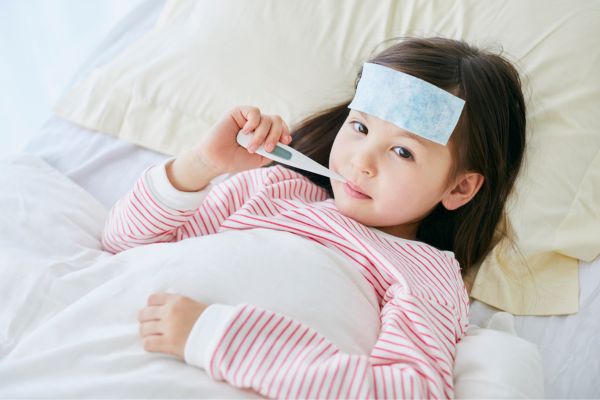
A baby with a fever can make even the calmest parent feel worried. One minute your little one seems fine, and the next their forehead feels warm, their cheeks look flushed, and they are fussier than usual. It is a moment many parents know well: reaching for the thermometer, checking the number twice, then wondering what it really means.
So, is baby fever dangerous? The honest answer is that it depends on the baby’s age, temperature, symptoms, and overall behavior. Fever itself is not always the enemy. In many cases, it is the body’s natural way of fighting an infection. But in babies, especially very young infants, fever can sometimes be a sign that medical attention is needed quickly.
Understanding when fever is normal, when it needs close watching, and when it becomes urgent can help parents respond with more confidence. The goal is not to panic over every warm forehead, but also not to ignore the signs that matter.
What Fever Means in Babies
A fever is usually a sign that the body is responding to something, most often an infection. It may happen with a cold, flu, ear infection, stomach virus, urinary infection, or another illness. Sometimes babies may feel warm after crying, being bundled too tightly, or staying in a hot room, but a true fever is best confirmed with a thermometer.
For babies, a rectal temperature is often considered the most accurate, especially in younger infants. Many parents use forehead, ear, or underarm thermometers because they are convenient, but these can sometimes be less precise. If the number seems concerning or your baby is very young, it is worth confirming the temperature carefully.
A fever does not always tell you how serious an illness is. A baby with a mild temperature may still need attention if they look weak or unusually sleepy. Another baby with a higher fever may still be alert, drinking, and responding normally. This is why the whole picture matters more than the number alone.
Why Age Matters So Much
The age of the baby is one of the biggest factors in deciding whether a fever is dangerous. In newborns and young infants, even a low-grade fever can be more concerning because their immune systems are still developing. They may not show strong symptoms even when an infection is serious.
For babies under three months old, fever should always be taken seriously. If a baby this young has a temperature of 100.4°F or 38°C or higher, parents should contact a doctor right away or seek medical guidance urgently. At this age, doctors usually want to evaluate the baby rather than wait and see.
For babies older than three months, fever is still important, but parents can also look more closely at behavior, feeding, breathing, hydration, and other symptoms. A baby who is alert, feeding well, and still having wet diapers may be managed differently from a baby who is limp, refusing feeds, or struggling to breathe.
When Fever May Not Be Dangerous
Many baby fevers are caused by common viral infections and improve with care, fluids, and rest. If your baby is older than three months, has a mild to moderate fever, is still feeding, making wet diapers, responding to you, and breathing comfortably, the fever may not be dangerous by itself.
In these situations, parents can focus on comfort. Keep the baby lightly dressed, offer breast milk or formula often, and let them rest. A lukewarm environment is better than a hot, stuffy room. Babies should not be bundled heavily to “sweat out” a fever, because that can make them hotter.
It is also normal for babies to be clingier or sleepier than usual when they are unwell. What matters is whether they can still wake, respond, feed, and seem reasonably aware when awake. A little fussiness is common. A baby who cannot be comforted at all or seems unusually weak needs closer attention.
Fever Signs That Need Medical Attention
Some symptoms make fever more concerning. Parents should contact a healthcare provider if the fever is high, lasts more than a couple of days, or comes with worrying changes in behavior. A baby who refuses feeds, vomits repeatedly, has diarrhea with signs of dehydration, or seems unusually drowsy should be checked.
Breathing symptoms are especially important. Fast breathing, wheezing, grunting, flaring nostrils, or pulling in around the ribs can be signs that a baby is working too hard to breathe. Fever with breathing difficulty should never be ignored.
Other warning signs include a stiff neck, persistent crying, a rash that does not fade when pressed, seizures, bluish lips, extreme irritability, or a baby who seems limp or hard to wake. These symptoms can point to something more serious and should be treated as urgent.
Fever in Newborns Is Different
Newborns do not always show illness the way older babies do. A newborn may not cough much, complain, or show clear signs of pain. Sometimes fever is one of the only clues that something is wrong.
That is why fever in a baby younger than three months should not be handled casually at home. Even if the baby looks fairly okay, a temperature of 100.4°F or 38°C or higher needs medical advice. In this age group, doctors may want to rule out infections that can become serious quickly.
Parents should also pay attention to low temperature in newborns. Sometimes a very young baby who is sick may have a temperature that is too low rather than too high. Poor feeding, unusual sleepiness, weak crying, or a change in color should also be discussed with a doctor.
Is a High Fever Always More Dangerous?
A high fever can be scary, but it does not always mean the illness is severe. Some viral infections can cause impressive fever numbers while the baby still recovers well. At the same time, a lower fever with serious symptoms can be more concerning than a higher fever in a baby who is drinking and alert.
Still, very high fever should be taken seriously. If your baby’s temperature rises significantly, or if fever-reducing medicine does not seem to help comfort them, it is wise to seek medical advice. Parents should also be careful about using medication correctly, based on the baby’s age and weight.
Fever is not just about the thermometer reading. It is about how the baby looks and acts. A baby who makes eye contact, drinks, cries strongly, and has normal wet diapers is generally more reassuring than a baby who looks pale, weak, floppy, or disconnected.
Hydration Matters During Fever
When babies have a fever, they can lose more fluid than usual. They may sweat, breathe faster, feed less, or have vomiting or diarrhea. That makes hydration one of the most important things to watch.
For young babies, breast milk or formula should remain the main source of fluids. Parents can offer smaller, more frequent feeds if the baby does not want a full feeding at once. Wet diapers are a helpful sign. If your baby is having far fewer wet diapers than usual, has a dry mouth, cries without tears, or seems very sleepy, dehydration may be developing.
A baby with fever does not need to eat normally right away, but they do need fluids. Appetite often returns slowly after illness. For babies who are old enough for solids, it is fine if they prefer milk feeds and simple foods for a while.
Fever and Teething Confusion
Many parents wonder whether teething causes fever. Teething may make a baby drooly, fussy, and uncomfortable, and it may cause a slight rise in temperature. However, a true fever should not automatically be blamed on teething.
This matters because assuming “it is just teething” may delay care if a baby actually has an infection. If your baby has a clear fever, seems unwell, has diarrhea, vomiting, a rash, or breathing symptoms, it is better to look beyond teething.
Teething discomfort and illness can also happen at the same time, which makes things confusing. A baby may be chewing on everything and also have a cold or ear infection. Parents do not need to diagnose the cause perfectly at home, but they should watch for patterns and warning signs.
How to Comfort a Baby With Fever
Comfort care can make a baby feel better while the body works through the illness. Keep clothing light and comfortable. Make sure the room is not too hot. Offer feeds often. Let your baby rest, but check on them regularly.
A lukewarm sponge bath may help some babies feel more comfortable, but cold baths or alcohol rubs should be avoided. They can cause shivering or be unsafe. The aim is gentle comfort, not forcing the temperature down quickly.
Parents should not give fever medicine to very young babies without medical guidance. For older babies, fever medicine may be used if recommended and dosed correctly. The purpose is usually to improve comfort rather than chase a perfect number on the thermometer.
When to Trust Your Instincts
Parents often notice subtle changes before anyone else does. Maybe the baby’s cry sounds different. Maybe they are not feeding the way they usually do. Maybe they seem too quiet, too floppy, or simply not like themselves. These instincts matter.
If you feel something is wrong, it is reasonable to contact a doctor, even if you are unsure. You do not need to wait until symptoms become dramatic. With babies, especially young infants, it is better to ask early than to sit with worry for hours.
At the same time, not every fever is an emergency. Learning the difference between mild illness and warning signs can make fever less frightening. Over time, parents become better at reading their baby’s cues.
A Calm Conclusion on Baby Fever
So, is baby fever dangerous? Sometimes it can be, especially in newborns, very young infants, or when fever comes with serious symptoms. But fever is also a common part of childhood illness, and in many older babies it is not dangerous by itself.
The key is to look at the full picture. Your baby’s age, temperature, feeding, breathing, hydration, alertness, and behavior all matter. A number on a thermometer can guide you, but your baby’s overall condition tells the deeper story.
Fever can feel frightening in the moment, especially when your baby is small and cannot tell you what hurts. With careful observation, gentle comfort, and timely medical advice when needed, parents can handle baby fever with more calm and clarity. In the end, the goal is not to fear every fever, but to respect it, watch it, and respond wisely when your baby needs help.