
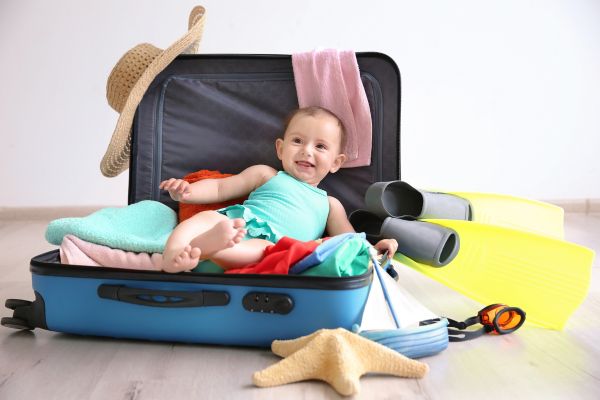
Traveling with a baby can feel like a delicate balancing act. Between packing diapers, bottles, extra clothes, and navigating unfamiliar places, parents often overlook one small but incredibly helpful detail: entertainment. Babies may not remember a journey, but they certainly feel every moment of boredom or discomfort along the way.
That’s where travel toys for babies come in. The right toys can transform long car rides, flights, or train journeys into calmer, happier experiences for both babies and parents. A thoughtfully chosen toy can soothe fussiness, stimulate curiosity, and even help babies feel more secure in new environments.
But choosing travel toys isn’t simply about tossing a few rattles into a diaper bag. Travel introduces unique challenges—limited space, unfamiliar surroundings, and longer stretches of sitting. Understanding what works best on the go can make all the difference.
Why Babies Need Toys During Travel
Babies experience the world through sensory exploration. Sounds, textures, colors, and movement help them learn about their surroundings. When traveling, however, babies often spend long periods confined to car seats, strollers, or airplane seats. Their ability to explore freely becomes limited.
Without stimulation, boredom quickly turns into restlessness. That’s when fussiness begins.
Travel toys serve several important purposes. They provide mental stimulation, offer comfort in unfamiliar places, and help babies stay engaged during long periods of sitting. A familiar toy can also act as a reassuring object when everything else around the baby feels new and unpredictable.
For parents, the benefit is simple: a calm baby makes the journey easier.
What Makes a Toy Travel-Friendly
Not every toy that works at home will work well during travel. Some toys are simply too bulky, too noisy, or too easy to lose. When choosing travel toys for babies, practicality matters just as much as entertainment.
Portability is the first key factor. Toys should be lightweight and easy to pack into a diaper bag or backpack. Compact toys that fold, clip onto strollers, or attach to car seats are particularly useful.
Durability also matters. Travel often means toys are dropped, squeezed into bags, or exposed to unfamiliar environments. Toys that can withstand rough handling are far more practical on the road.
Another important feature is versatility. Toys that offer multiple ways to play—such as combining textures, sounds, and movement—can keep babies interested longer than single-purpose toys.
Finally, easy cleaning is essential. Travel environments are unpredictable, and toys inevitably end up on the floor. Toys that can be wiped clean quickly are far more convenient.
Sensory Toys That Keep Babies Engaged
Sensory toys are among the most effective travel toys for babies. These toys stimulate multiple senses at once, helping babies stay curious and occupied.
Soft toys with different textures are especially helpful during travel. Babies enjoy exploring fabrics like crinkle material, plush surfaces, or rubbery chewable parts. These textures provide both entertainment and comfort.
Rattles and gentle sound toys also work well. The soft noise captures a baby’s attention without overwhelming the environment. Subtle sound stimulation can keep babies engaged while still being appropriate for quiet spaces like airplanes.
High-contrast toys can be surprisingly effective too. Younger babies are naturally drawn to bold patterns and contrasting colors, which help hold their attention during travel.
When babies remain curious about their surroundings—even through a toy—the journey feels less restrictive.
Toys That Attach to Car Seats and Strollers
One of the biggest travel frustrations is picking toys up from the floor again and again. Babies drop things constantly, especially when they’re experimenting with cause and effect.
Toys that attach directly to strollers, car seats, or baby carriers solve this problem. Clip-on toys stay within reach while preventing them from falling repeatedly.
Hanging toys with small mirrors, rattles, or spinning parts can also encourage independent play. Babies can bat at them, watch them move, and explore them without needing constant assistance from parents.
These toys become especially helpful during longer journeys when parents may be driving, navigating airports, or managing luggage.
Quiet Toys for Planes and Public Spaces
Traveling by plane or train introduces another challenge: shared space. Loud toys can quickly become stressful not only for parents but also for fellow passengers.
Quiet toys are essential in these situations.
Soft books made of fabric are an excellent option. They offer visual stimulation, textures to explore, and pages to flip without creating noise. Babies often enjoy the simple act of turning pages, even if they don’t understand the story yet.
Stacking cups or nesting toys can also work well. They provide interactive play without loud sounds and can be easily packed into a small bag.
Teething toys are another quiet but effective travel companion. Many babies find relief in chewing during flights, especially during changes in air pressure.
These simple toys help babies stay occupied while maintaining a calm environment around them.
Rotating Toys to Maintain Interest
One common mistake parents make is giving babies access to all toys at once. While it might seem like a good way to provide options, babies can lose interest quickly when everything is available immediately.
Instead, rotating toys throughout the journey keeps each one feeling new.
A toy that appears after thirty minutes of travel suddenly becomes exciting again. This small trick can extend the usefulness of even a small toy collection.
Parents often discover that just three or four carefully chosen toys can keep a baby entertained for hours when introduced gradually.
This approach also reduces the number of items parents need to pack.
Comfort Toys That Help Babies Relax
Travel can be overwhelming for babies. New sights, unfamiliar sounds, and changes in routine can sometimes lead to anxiety or overstimulation.
Comfort toys play an important role here.
A familiar stuffed toy or soft blanket can provide emotional reassurance. Even if babies are too young to express it, they recognize familiar textures and smells. These small reminders of home can help them relax during stressful moments.
Some parents also bring a small toy used regularly during nap time. Because babies associate it with sleep, it can help signal that it’s time to rest even in unfamiliar surroundings.
Comfort items may not entertain babies actively, but they provide something equally valuable: emotional stability.
Packing Toys Without Overpacking
Parents already travel with plenty of baby gear, so toy selection should stay simple. The goal isn’t to pack an entire playroom.
A small selection of thoughtful toys works best.
Choosing a mix of sensory toys, attachment toys, quiet toys, and comfort items usually provides enough variety. This balanced approach keeps babies stimulated without overwhelming the diaper bag.
Small storage pouches or zip bags can help organize toys so they’re easy to access when needed. When a baby becomes restless, parents can quickly reach for the next toy without digging through luggage.
Travel becomes much smoother when toys are easy to find.
Adapting Toys to Different Types of Travel
The type of journey also influences which toys work best.
Car travel often allows for slightly larger toys since space is less restricted. Toys attached to car seats or seat handles are particularly useful during road trips.
Air travel, on the other hand, favors compact toys that fit easily into carry-on bags. Lightweight toys are ideal because parents may already be carrying a baby, luggage, and travel documents.
Train or bus travel usually falls somewhere in between. Space may be limited, but parents often have easier access to bags during the trip.
Understanding the environment helps parents choose toys that will actually be practical during the journey.
Creating Positive Travel Experiences Early
Babies may not remember their first trips, but early travel experiences still shape how comfortable they feel in new environments.
When babies remain calm, engaged, and comfortable during travel, parents feel more confident taking them on future trips. Over time, travel becomes less stressful and more enjoyable for the entire family.
Travel toys for babies may seem like a small detail, but they play a surprisingly big role in making this possible.
A simple rattle, a soft book, or a familiar stuffed toy can turn a restless moment into a peaceful one.
A Thoughtful Approach to Traveling with Babies
Traveling with a baby is never completely predictable. Even the most prepared parents encounter moments of fussiness or fatigue. But thoughtful preparation makes those moments easier to manage.
Choosing the right travel toys for babies isn’t about entertainment alone. It’s about comfort, curiosity, and helping babies adapt to new environments while feeling secure.
With a small collection of carefully selected toys, parents can create a travel experience that feels less chaotic and more manageable. And sometimes, the smallest toy can make the biggest difference on a long journey.