
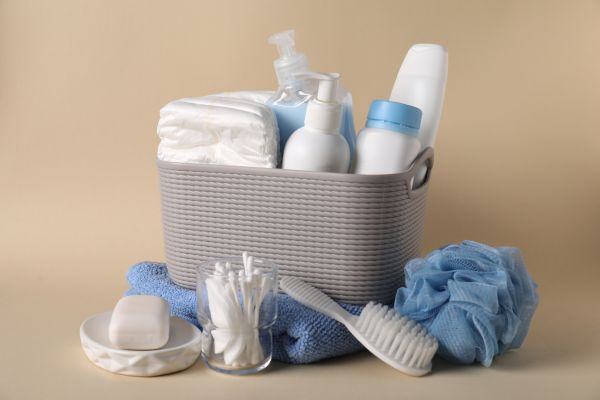
Preparing for a baby often begins with excitement and quickly turns into research. One moment parents are casually browsing newborn outfits, and the next they are comparing stroller wheels, bottle materials, crib safety certifications, diaper systems, sound machines, and baby monitors at midnight with ten browser tabs open.
The baby product market has become enormous, and for many parents, especially first-time parents, the sheer number of choices feels overwhelming. Nearly every product category now includes dozens of versions that all promise comfort, convenience, safety, or better sleep. That is one reason baby product comparison guides have become so important in modern parenting culture.
Parents are no longer simply buying products based on advertisements or store displays. They want detailed comparisons, real-life experiences, practical pros and cons, and honest discussions about what actually matters during daily life with a baby.
In many ways, comparison guides are no longer just shopping tools. They have become part of how modern parents navigate uncertainty.
Why Parents Rely on Comparison Guides
Baby products involve a different level of emotional decision-making than ordinary purchases. Parents are not just buying objects. They are making choices connected to safety, comfort, health, sleep, feeding, mobility, and daily routines during one of the most exhausting phases of life.
That emotional weight naturally makes comparison research feel important.
A stroller, for example, is not simply transportation. Parents start thinking about sidewalks, travel, storage space, weather, future siblings, and whether the stroller folds easily while holding a baby. The same thing happens with cribs, car seats, feeding systems, and monitors.
Baby product comparison guides help simplify that mental overload by organizing information into something more manageable. Instead of staring at endless product listings, parents can focus on how different options fit specific lifestyles or parenting needs.
The goal is usually not finding the “perfect” product. Most parents eventually realize perfection does not really exist in parenting anyway. What they want is reassurance that they are making thoughtful choices.
The Internet Changed How Parents Research Products
A generation ago, parents often relied on family recommendations, store employees, or parenting magazines when shopping for baby products. Today, the process looks completely different.
Modern parents research constantly.
They watch video demonstrations, scroll through parenting forums, compare safety ratings, read customer reviews, and search social media discussions before making decisions. Baby product comparison guides sit at the center of that research process because they help filter overwhelming information into more digestible insights.
The internet also changed expectations around transparency. Parents no longer trust polished marketing language alone. They want realistic experiences from people who actually used the products during sleepless nights, messy feedings, and stressful outings.
This shift has made comparison content more detailed, more practical, and often far more honest than traditional advertising ever was.
Strollers and Car Seats Dominate Comparison Searches
Certain baby products generate especially intense comparison research, and strollers sit near the top of that list.
Parents compare wheel sizes, folding systems, suspension, weight, storage baskets, handle heights, travel compatibility, and long-term adaptability. A stroller becomes part of everyday life, which means small design details suddenly matter far more than expected.
Car seats create similar levels of research anxiety. Safety standards, installation systems, rear-facing limits, fabric materials, and compatibility all become part of the conversation.
Baby product comparison guides help parents navigate these categories because the differences between products are often subtle yet meaningful.
One family may prioritize lightweight travel convenience while another cares more about rough-terrain durability or compact storage for apartment living. Comparison guides become valuable because they frame products within real-life situations rather than generic feature lists.
Sleep Products Create Endless Discussions
No parenting topic generates more desperate late-night research than baby sleep.
As a result, bassinets, cribs, swaddles, sound machines, blackout curtains, sleep sacks, and baby monitors dominate many comparison guides. Sleep deprivation pushes parents to search intensely for products that might create smoother nighttime routines.
Interestingly, comparison guides around sleep products often become deeply emotional. Parents are not only comparing features. They are comparing hopes, frustrations, and survival strategies.
One parent values portability because the baby naps in multiple rooms. Another prioritizes breathable fabrics or adjustable settings. Others focus on simplicity because overly complicated systems create more stress than comfort.
The best baby product comparison guides usually acknowledge that babies themselves vary enormously. A product that works beautifully for one family may not work at all for another.
That honesty matters.
Feeding Products Reflect Changing Parenting Habits
Feeding products have also evolved significantly in recent years.
Parents now compare bottle systems, breast pumps, sterilizers, bottle warmers, silicone feeding accessories, high chairs, and storage systems with remarkable detail. Feeding routines happen constantly throughout infancy, so even small inconveniences quickly become exhausting.
Comparison guides often focus heavily on cleaning difficulty because parents learn fast that products with too many tiny parts become frustrating during sleep-deprived weeks.
Portability also matters more now. Many families feed babies while traveling, commuting, working remotely, or managing multiple children. Products that adapt easily to busy routines tend to stand out.
At the same time, feeding discussions can become emotionally sensitive because every family approaches feeding differently. Good comparison guides avoid judgment and focus instead on functionality, practicality, and comfort.
Safety Information Matters More Than Ever
One reason baby product comparison guides have grown so influential is that parents pay closer attention to safety than ever before.
Online communities spread information rapidly, including product recalls, safety concerns, and changing recommendations from pediatric experts. Parents now research materials, certifications, age guidelines, and sleep safety standards far more thoroughly than previous generations often could.
This increased awareness has benefits, but it can also create anxiety.
Comparison guides sometimes help reduce that stress by explaining safety information more clearly and placing features into realistic context. Instead of overwhelming parents with technical language, strong guides focus on practical understanding.
For example, parents may not need every advanced feature available in a baby monitor, but they do want confidence that products meet current safety expectations.
That reassurance becomes part of the value comparison guides provide.
Minimalism Is Changing Product Decisions
Modern parenting culture has also shifted toward more intentional buying habits.
Many parents now realize babies outgrow products extremely quickly, and excessive baby gear often creates clutter rather than convenience. This has changed how comparison guides frame product recommendations.
Instead of encouraging endless purchases, many newer guides emphasize versatility, durability, and long-term usefulness.
Convertible cribs, adaptable strollers, reusable feeding systems, and multi-stage products receive attention partly because families want fewer items that work longer.
The idea of buying every trending gadget has started losing some appeal, especially among parents trying to simplify routines rather than complicate them.
Comparison guides increasingly reflect that mindset by focusing less on novelty and more on practicality.
Social Media Has Changed Product Trends
Social media now shapes baby product popularity almost instantly.
One viral stroller review, nursery setup video, or newborn essentials post can suddenly push certain products into parenting conversations everywhere. Influencers, parenting creators, and online communities heavily influence what products parents start researching.
This creates both advantages and problems.
On one hand, parents gain access to visual demonstrations and honest user experiences that feel more relatable than traditional advertising. On the other hand, constant exposure to curated parenting content can create pressure to buy products that may not actually fit a family’s needs.
Baby product comparison guides often help balance that influence by slowing the conversation down. Instead of reacting emotionally to trends, parents can compare products more thoughtfully based on functionality and lifestyle compatibility.
That pause becomes surprisingly valuable in an online environment built around urgency and constant recommendations.
Every Family Uses Products Differently
One reason baby product comparison guides remain so necessary is that parenting itself varies enormously between families.
A compact urban apartment creates different needs than a suburban home with large storage spaces. Frequent travelers prioritize portability differently than families who rarely leave town. Some babies tolerate swings and carriers easily, while others reject them completely.
Parenting routines, budgets, schedules, climates, and living situations all shape which products actually feel useful.
The most thoughtful comparison guides acknowledge that reality. They avoid treating products as universally perfect solutions and instead explain which situations certain products suit best.
That approach feels far more realistic because babies themselves are unpredictable.
The Emotional Side of Product Research
There is also an emotional layer to baby product research that people do not always discuss openly.
Preparing for a baby often comes with excitement mixed with uncertainty. Comparing products becomes part of how parents try to prepare for a life transition they cannot fully predict.
Sometimes the endless research is not really about strollers or bassinets at all. It is about trying to feel ready.
Baby product comparison guides provide structure during that uncertainty. They help parents feel informed, organized, and slightly more confident while entering unfamiliar territory.
That emotional reassurance is part of why these guides continue growing in popularity.
Conclusion
Baby product comparison guides have become an essential part of modern parenting because they help families navigate an overwhelming world of choices with more clarity and confidence. In an industry filled with endless recommendations, trends, and opinions, comparison content creates space for more thoughtful decision-making.
The most helpful guides go beyond feature lists and marketing language. They focus on real-life experiences, practical functionality, safety considerations, and the everyday realities of caring for a baby during exhausting and unpredictable stages.
At the same time, experienced parents often discover that no product guarantees easier parenting. Babies have their own preferences, routines, and surprises that no guide can fully predict.
Still, comparison guides offer something valuable during a period filled with uncertainty: perspective. They help parents sort through noise, understand options more clearly, and choose products that genuinely fit their lives rather than simply following trends.
And sometimes, during the early chaos of parenting, a little clarity goes a long way.