
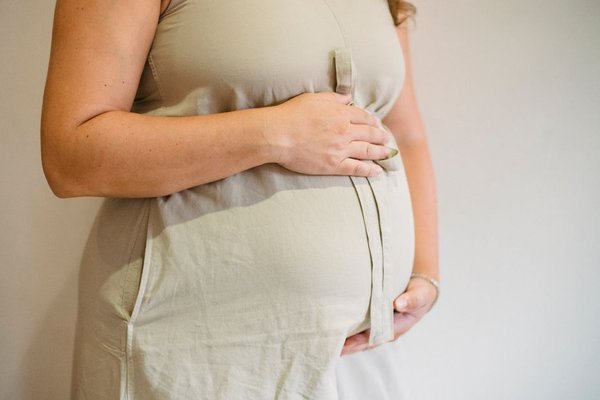
If you are wide awake at 2 a.m. in late pregnancy, shifting from one side to the other while your bladder, hips and baby all seem determined to keep you up, you are far from unusual. Sleep problems in pregnancy often become more noticeable in the third trimester because several physical and emotional changes arrive at the same time. A few practical adjustments can make nights more manageable, even if perfect sleep is unrealistic before birth.
Why insomnia often gets worse in the third trimester
Pregnancy insomnia in the third trimester is rarely caused by one thing. Your growing uterus can make it harder to get comfortable, increase pressure on your bladder and contribute to back or pelvic discomfort. Heartburn may flare when you lie down, while fetal movement can be especially noticeable once the house is quiet. Hormonal changes can affect sleep patterns, and thoughts about labour, birth and caring for a newborn may make it difficult to switch off mentally.
That combination helps explain why third trimester tiredness can feel frustrating: you may be exhausted during the day but still struggle to fall asleep or return to sleep after waking. Some people also develop restless legs in pregnancy, with crawling, tingling or irresistible urges to move the legs that become worse during evening rest.
Start with a safer, more comfortable sleep position
After 28 weeks, NHS guidance recommends going to sleep on your side. Either side is acceptable, and ACOG also notes that you do not need to remain exclusively on the left. If you wake on your back, there is no need to panic; simply roll onto your side and settle again.
Pregnancy sleep positions are often easier with strategic pillow support. Try one pillow between your knees and another under the bump. A long body pillow can help if your hips or back ache. If heartburn is part of the problem, slightly elevating your upper body may be more comfortable than lying completely flat.
Build your night routine around what is waking you
Generic sleep advice is not always enough in late pregnancy. If bathroom trips are the main issue, drink normally through the day but avoid saving most of your fluids for the final hour before bed. Do not deliberately dehydrate yourself. If heartburn wakes you, try finishing your evening meal earlier and avoiding a very large or rich meal close to bedtime.
If anxiety is keeping your mind active, write down questions for your midwife or obstetric clinician rather than mentally rehearsing them at 3 a.m. A practical example: if you get into bed at 10 p.m., scroll for an hour, wake at midnight with reflux and again at 2 a.m. to urinate, change one part of the pattern at a time. Move dinner earlier, put the phone away before bed and prepare your side-sleeping pillow setup before you become overtired.
Small daytime choices can make nights easier
Regular daytime movement can support sleep and may ease pregnancy discomforts if your maternity team has not advised activity restrictions. A walk, swimming or pregnancy-appropriate exercise can be useful. Long late-afternoon naps may reduce sleep pressure at bedtime, so a shorter earlier rest can work better when you need one.
Caffeine can also affect sleep longer than many people realise. If insomnia or restless legs are a problem, consider moving coffee, tea, cola and energy drinks earlier in the day while staying within pregnancy caffeine guidance from your clinician or national health service.
What to do about restless legs during pregnancy
Restless legs pregnancy symptoms often become most obvious when you finally lie still. Gentle walking, stretching, massage, a warm bath or comfortable heat on the legs may help. Symptoms can be associated with iron deficiency, so persistent or severe restless legs are worth discussing with your midwife, GP or obstetric clinician. They may decide to check your blood count or iron status rather than having you start supplements on your own.
One-sided swelling, redness, warmth or significant leg pain should not be assumed to be restless legs and needs prompt medical assessment because pregnancy increases the risk of blood clots.
Be cautious with sleep medicines and supplements
When you are desperate for sleep, over-the-counter remedies can look tempting. Pregnancy is not the time to start a sleep medicine, sedating antihistamine, herbal product or supplement without checking first. The NHS advises asking a doctor, midwife or pharmacist whether a medicine is safe in pregnancy. If insomnia persists, your clinician can also look for treatable causes such as reflux, pain, anxiety, depression, restless legs or sleep apnoea.
When poor sleep deserves medical advice
Bring up ongoing insomnia if it is affecting your ability to function, your mood or your safety during the day. Also mention loud new snoring, gasping or pauses in breathing during sleep, severe daytime sleepiness, or restless legs that regularly prevent sleep. Sleep apnoea can occur during pregnancy and should not be dismissed as ordinary third trimester tiredness.
Seek support if sleeplessness comes with persistent hopelessness, loss of interest in things you normally enjoy or overwhelming anxiety. Pregnancy-related mental health problems are treatable, and sleep disruption can sometimes be part of the picture.
Frequently asked questions
Is third trimester insomnia normal?
Yes. Sleep disturbance is common in late pregnancy. Physical discomfort, frequent urination, heartburn, fetal movement, restless legs and worries about birth can all contribute. Common does not mean you have to endure severe symptoms without help.
Which side should I sleep on in the third trimester?
After 28 weeks, going to sleep on your side is recommended. Either the left or right side is acceptable. If you wake on your back, turn onto your side and go back to sleep rather than worrying about the position you woke in.
Can I take something to help me sleep while pregnant?
Do not start a sleep aid, herbal remedy or supplement without checking with a doctor, midwife or pharmacist. Some products are unsuitable in pregnancy, while others may be considered only in particular circumstances.
Why am I exhausted but unable to sleep?
Late pregnancy can create a mismatch between fatigue and sleep. Your body may be tired while discomfort, hormones, reflux, bladder pressure, fetal movement or anxiety keep you alert. Addressing the specific trigger usually works better than simply spending more time in bed.
Rest may look different before birth
You may not get an uninterrupted night in the final weeks, but better sleep can still mean fewer long awake periods, less discomfort and an easier return to sleep after normal pregnancy awakenings. Focus on side sleeping, supportive pillows, daytime movement, sensible caffeine timing and solutions aimed at your personal sleep disruptors. Related topics such as a third trimester pregnancy guide, pregnancy heartburn and Braxton Hicks contractions can also help you manage the wider late-pregnancy picture.
If your sleep suddenly changes, you feel unwell, or exhaustion is becoming difficult to cope with, contact your maternity team. Late-pregnancy insomnia is common, but persistent sleep loss still deserves practical support and, when needed, medical review.