
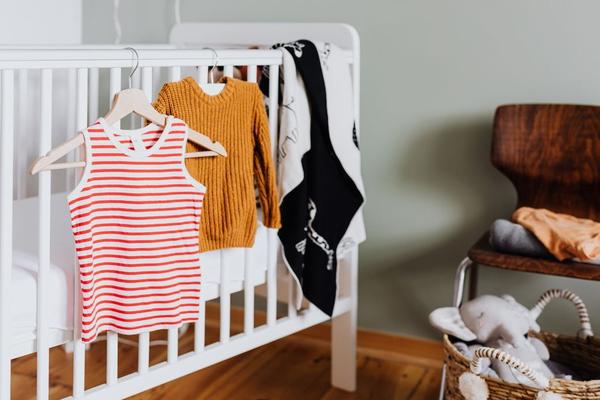
Choosing baby clothes can feel surprisingly complicated. You want pieces that are soft, practical and easy to wash, but you may also want clearer information about how the fabric was grown and processed. The best organic baby clothing brands in the UK make that decision easier by combining certified materials with sensible details such as envelope necks, zip guards and nickel-free poppers.
For 2026, the strongest options are not simply the brands with the prettiest prints. They explain their materials, use recognised certification and design clothes that can survive repeated washing or be passed on. Here are the UK names worth considering and what each one does particularly well.
What makes organic baby clothing worth considering?
Organic cotton is grown to certified organic farming standards, but the finished garment matters too. A label saying “made with organic cotton” does not automatically tell you how the fabric was dyed, finished or sewn. That is why the Global Organic Textile Standard, usually shortened to GOTS, is useful. It covers textile processing as well as organic fibre content and includes environmental and social criteria across the supply chain.
GOTS has two main label grades. Products labelled “organic” contain at least 95% certified organic fibres, while “made with organic” products contain at least 70%. Check the individual garment rather than assuming every product from a sustainable baby brand has the same composition or certification.
Best organic baby clothing brands in the UK for 2026
Frugi: best all-rounder for cheerful everyday clothing
Frugi is one of the most recognisable names in British organic baby fashion, especially for parents who prefer colour over minimalist beige. Its range includes bodysuits, sleepsuits, leggings, dresses, dungarees and multipacks, with many baby garments carrying GOTS certification through Soil Association Certification.
Bright patterns and coordinating separates make it easy to build outfits without sacrificing practicality. Frugi is also worth considering for selected grow-with-me pieces with extendable cuffs. It sits at a mid-range price point, so sales and multipacks can offer better value.
Little Green Radicals: best for organic and Fairtrade essentials
Little Green Radicals stands out because its cotton baby products combine GOTS-certified organic cotton with Fairtrade certification. The collection covers newborn basics, bodysuits, babygrows, sleepwear and seasonal outfits, often in cheerful prints or simple undyed finishes.
Practical touches such as nickel-free poppers and soft interlock cotton make the range well suited to daily wear. The brand is especially appealing when ethical sourcing is as important to you as organic clothing.
Kite Clothing: best for nature-inspired prints
Kite Clothing blends soft organic fabrics with designs inspired by wildlife, coastlines and the outdoors. Its baby collection includes bodysuits, sleepsuits, leggings, knitwear and complete outfits, and the company highlights GOTS certification across its clothing range.
Kite works well for families who want coordinated pieces that feel relaxed rather than formal. Many items include useful details such as integrated scratch mitts or protected zips. It is also a reliable gift option because the clothing feels special while remaining wearable.
Toby Tiger: best for bold colour and playful appliqué
Toby Tiger has built its identity around bright colours, rainbow stripes, animal motifs and appliqué designs. The independent UK brand uses GOTS-certified organic cotton and is certified through the Soil Association, giving shoppers a clearer standard than vague eco-friendly claims.
This is the brand for parents who want baby fashion to look joyful. Bodysuits, rompers, sleepsuits and reversible pieces often feature strong colours that stand apart from neutral nursery palettes. Statement designs pair easily with plain leggings or layers.
Pigeon Organics: best for understated prints and hand-me-down appeal
Pigeon Organics takes a quieter approach, using soft colours, simple shapes and gentle prints. The brand states that its cotton is 100% organic and that its clothing is certified to GOTS through the Soil Association. Its focus on timeless design also supports passing garments from one baby to another.
The calm aesthetic is easy to combine across seasons, which can make a small capsule wardrobe more practical. Pigeon Organics suits parents who prefer subtle sustainable baby clothing rather than bold graphics.
MORI: best for newborn essentials and sleepwear
MORI is best known for sleepsuits, bodysuits, pyjamas, sleeping bags and giftable newborn sets. Its signature fabric commonly blends bamboo-derived viscose with organic cotton, while the brand also sells selected 100% organic cotton and GOTS-certified pieces.
Not every MORI garment is made from 100% organic cotton. Some popular items use a blend containing 30% organic cotton and 70% bamboo fabric, so read the composition on each product page. MORI remains a strong choice for practical nightwear and polished baby gifts, but item-level checking is essential.
How to choose the right organic baby clothes
Check certification on the product
Look for a GOTS label, certification details or a licence reference connected to the actual garment. A general sustainability page does not prove that every product is certified.
Prioritise practical design
Soft fabric matters, but so do easy changes. Consider envelope necks, two-way zips, flat seams, protected zip ends and simple poppers. For newborns, fold-over scratch mitts can also be useful.
Buy fewer pieces in flexible sizes
Babies grow quickly, so durability and fit may matter more than having a large wardrobe. Stretchy leggings, adjustable cuffs, roomy rompers and layerable bodysuits often stay useful for longer. Mix neutral basics with brighter baby fashion pieces to create more outfits from fewer items.
Care for garments gently
Follow the care label and avoid excessive heat if the manufacturer advises against it. Good washing habits can help preserve shape, colour and softness, making clothes more suitable for resale, donation or hand-me-down use.
Frequently asked questions
Are organic baby clothes better for sensitive skin?
Organic certification gives useful information about fibre production and textile processing, but it does not guarantee that a garment will suit every baby. Babies with eczema or persistent irritation may react to fabrics, detergents, heat or other factors, so seek advice from a pharmacist, health visitor or GP when symptoms continue.
Is GOTS certification important for baby clothing?
It is one of the clearest independent standards for organic textiles. GOTS addresses organic fibre content, processing inputs and social requirements, making it more meaningful than an unsupported “green” or “natural” claim.
How many organic baby outfits do I need?
There is no fixed number, but a small rotation of bodysuits, sleepsuits, leggings and layers is usually more practical than many occasion outfits. Your washing routine, season and baby’s age will determine the right amount.
Are expensive organic baby brands always better?
No. Compare certification, fabric composition, construction, care instructions and cost per wear. Multipacks, sales and second-hand purchases can make certified organic baby clothing more affordable.
Final thoughts
The best organic baby clothing brands in the UK each offer something different. Frugi and Toby Tiger lead on colour, Little Green Radicals combines organic cotton with Fairtrade credentials, Kite specialises in nature-inspired versatility, Pigeon Organics offers understated longevity, and MORI excels in sleepwear and newborn gifting. Whichever style suits your family, check the individual product label, choose practical shapes and favour clothes made to be worn repeatedly. That is where sustainable baby shopping becomes both more credible and more useful.