
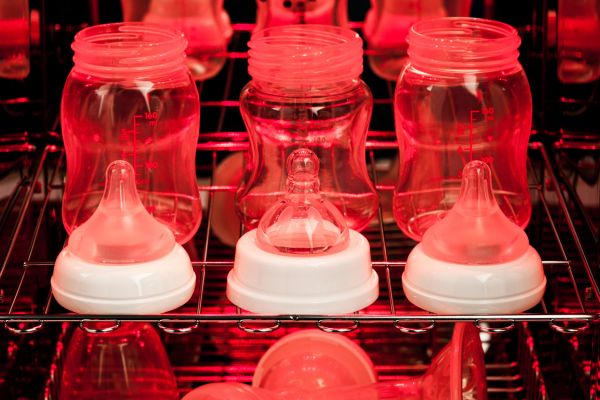
Keeping baby bottles clean can become one of those quiet daily tasks that takes up more mental space than expected. Between night feeds, bottle parts, tiny nipples, pump pieces, and drying racks, it is easy to see why many parents start looking for the best baby bottle sterilizers. A good sterilizer does not make parenting effortless, of course, but it can make one important routine feel more organized, especially in the early months.
Bottle sterilizers are designed to reduce germs on feeding equipment after the bottles have already been washed. That detail matters. Sterilizing is not a replacement for proper cleaning. Milk residue, formula, and tiny bits of buildup still need to be removed first with hot, soapy water or a suitable dishwasher cycle. Once bottles are clean, sterilizing adds another layer of hygiene and reassurance.
The right choice depends less on what looks impressive on a counter and more on how your household actually works. Some families need speed. Some need something compact. Others want a sterilizer that can handle bottles, pacifiers, pump parts, and little accessories all at once. The best option is the one that fits naturally into your day.
Why Bottle Sterilizing Still Matters
Parents often hear mixed advice about sterilizing baby bottles. Some people say it is essential every day, while others say washing well is enough. The reality sits somewhere in the middle. Sterilizing can be especially helpful for newborns, premature babies, babies with weaker immune systems, or families who want extra care during the early feeding stage.
Baby bottles have small parts where moisture can linger. Nipples, rings, valves, and caps can hold milk traces if they are not cleaned carefully. Warm, damp spaces are exactly where bacteria can grow. That is why washing and drying thoroughly are just as important as the sterilizing cycle itself.
A sterilizer can also bring peace of mind. When you are tired and juggling several feeds a day, having a simple process can reduce worry. It creates a small system: wash, sterilize, dry, store. The task becomes less scattered and more predictable.
Electric Steam Sterilizers
Electric steam sterilizers are often the most convenient choice for daily bottle care. They sit on the countertop, use water to create steam, and usually finish a cycle without much effort from the parent. For families using several bottles a day, this type can be practical because it often holds multiple bottles and accessories at once.
The appeal is routine. You wash the bottles, place them inside, add the required amount of water, and press a button. Many models shut off automatically when the cycle ends, which is helpful when your attention is split between the baby, laundry, and a half-finished cup of tea.
Some electric sterilizers also include a drying function. This can be useful because properly drying bottle parts is a big part of keeping them clean after sterilizing. If bottles stay wet in a closed space for too long, the routine loses some of its purpose. A drying feature may not be necessary for every home, but it can be helpful if you want bottles ready to use or store without waiting around.
The main downside is counter space. Electric sterilizers are not always small, and some kitchens already feel crowded with formula tins, bottle racks, and baby items. They also need regular descaling, especially in areas with hard water. Still, for steady everyday use, they are one of the strongest options.
Microwave Steam Sterilizers
Microwave steam sterilizers are simple, compact, and often easier to store than countertop machines. They usually look like a lidded container with a rack inside. You add water, place the cleaned bottle parts inside, and heat it in the microwave for the recommended time.
This type works well for parents who want something practical without adding another electric appliance to the kitchen. It is also useful for smaller homes, shared spaces, or occasional sterilizing. The process is quick, and the design is usually straightforward.
The important thing is size compatibility. Not every microwave sterilizer fits every microwave, and not every bottle shape fits comfortably inside every sterilizer. Taller bottles, wide-neck bottles, and pump parts may need more space. Before choosing one, it makes sense to think about the bottles you already use.
Microwave sterilizers can get very hot, so careful handling is essential. Steam burns are a real risk if the lid is opened too quickly. For that reason, this type is best for parents who can follow the timing and cooling instructions carefully.
UV Bottle Sterilizers
UV sterilizers use ultraviolet light rather than steam. They are often chosen by parents who want a dry sterilizing method or who prefer not to deal with hot water and steam. Many UV units can also be used for pacifiers, small toys, and feeding accessories, depending on the manufacturer’s instructions.
One of the nice things about UV sterilizers is that items usually come out dry. This can make storage easier. Some parents also like them for items that should not be exposed to high heat, although it is still important to check whether each item is suitable for UV sterilizing.
UV sterilizers tend to be more expensive than basic steam options. They may also take longer, and the light needs to reach the surfaces properly. If bottle parts are stacked poorly or hidden behind each other, the process may not be as effective. Clean arrangement matters.
For families who want a modern, low-moisture method, UV can be appealing. But it is not automatically better for everyone. It is simply a different approach, and it works best when used exactly as instructed.
Sterilizer and Dryer Combos
Sterilizer and dryer combos are popular because they solve two problems at once. They sterilize feeding equipment, then dry it so bottles are ready to assemble or put away. For busy parents, that convenience can make a noticeable difference.
Drying is one of the most overlooked parts of bottle care. A bottle that has been sterilized but stays damp on a crowded rack may not feel truly ready. A drying cycle helps reduce moisture and makes the whole routine feel cleaner.
These machines are especially useful for parents who bottle-feed often, pump regularly, or care for twins. The larger capacity can save time when there are many parts to clean. Instead of running multiple small cycles, you can handle more items together.
The trade-off is size and cost. Combo units are usually bigger and may take up permanent counter space. They also need cleaning and maintenance. If your baby only uses one or two bottles a day, a large unit may be more than you need. But for heavy daily use, it can be one of the most practical choices.
Cold Water Sterilizing Systems
Cold water sterilizing uses a sterilizing solution or tablet mixed with water. Bottles and parts are fully submerged for the recommended time. This method has been used for years and can be helpful when electricity, microwaves, or countertop space are limited.
It can be a sensible option for travel, shared homes, or situations where steam sterilizing is inconvenient. Some parents also like that the equipment can remain in the solution for a set period, depending on the instructions.
However, it does require careful measuring and timing. The solution must be prepared correctly, and items need to be fully covered. Some parents dislike the smell of sterilizing solution, even when it is safe to use as directed. It also means keeping a container of liquid somewhere secure, away from curious hands if there are older children in the home.
Cold water sterilizing is not the most glamorous method, but it can be reliable and flexible when used properly.
What to Look for Before Choosing
The best baby bottle sterilizers are not always the most expensive ones. A useful sterilizer should match your feeding routine. If you use many bottles, capacity matters. If you have very little counter space, size matters. If you travel often, portability matters. If you are already exhausted by drying tiny bottle parts, a drying function may matter more than anything else.
Ease of cleaning is another important point. A sterilizer that is difficult to wash, descale, or empty may become frustrating quickly. Look for a design that comes apart easily and does not have too many awkward corners where water can sit.
Compatibility is also worth thinking about. Some sterilizers work better with standard bottles, while others are designed to fit wide-neck bottles or pump parts. A sterilizer is only helpful if it fits the items you actually use every day.
Cleaning Comes Before Sterilizing
No sterilizer can do its job properly if the bottle has not been cleaned first. Milk residue should be washed away before sterilizing. Bottle nipples should be checked carefully because they can trap liquid inside. Rings, caps, valves, and pump parts should be separated so water and steam can reach all surfaces.
After sterilizing, clean hands matter too. Handling sterilized parts with unwashed hands can undo some of the effort. Let items dry in a clean area, then store them somewhere protected from dust and splashes.
This routine may sound like a lot at first, but it becomes familiar. After a while, you stop thinking about every step. It becomes part of the rhythm of feeding a baby.
Conclusion
Choosing among the best baby bottle sterilizers is really about choosing the method that makes feeding life feel cleaner, calmer, and easier to manage. Electric steam sterilizers suit busy daily routines. Microwave options are simple and space-saving. UV models offer a dry method. Sterilizer and dryer combos bring extra convenience, while cold water systems can be useful when flexibility matters most.
There is no single perfect sterilizer for every family. The best one is the one you will use correctly and consistently. Clean the bottles first, sterilize according to instructions, let everything dry properly, and keep the routine simple enough to repeat even on tired days.
In the end, bottle sterilizing is not about creating a spotless, showroom-style kitchen. It is about giving your baby clean feeding equipment and giving yourself one less thing to worry about in the middle of a very full season of life.