
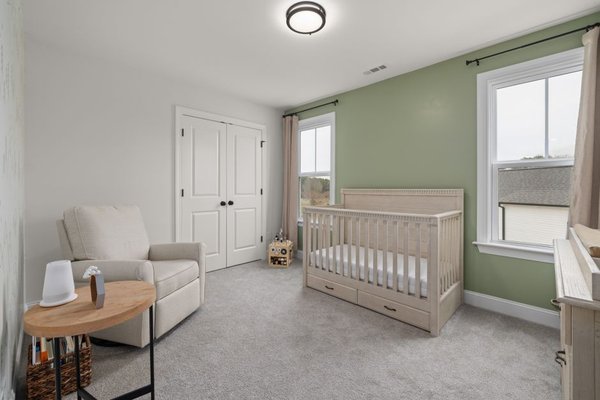
If you’ve ever stood in a box room trying to picture a cot, a wardrobe, and a changing table all fitting comfortably, you’ll know the particular challenge of nursery design in the UK. British homes are, on average, some of the smallest in Europe, and the room set aside for a new arrival is often the tightest of the lot. The good news is that a small nursery doesn’t have to feel cramped or compromised. With the right layout, smart storage, and a few clever design choices, even a modest box room can become a warm, functional space that works beautifully for both baby and parents.
This guide walks through practical, UK-specific ideas for making the most of small spaces when planning a baby room, from furniture that earns its keep to colour schemes that open up the room visually.
Planning Your Small Nursery Layout
Before choosing a single piece of furniture, it’s worth spending time thinking about the room’s shape and traffic flow. In a small nursery, every inch counts, so the layout needs to work harder than it would in a larger bedroom.
Start With the Essentials Only
A common mistake in nursery design is trying to fit in everything shown in a magazine spread. In a box room nursery, the priority list usually comes down to three things: somewhere for baby to sleep, somewhere to store clothes and essentials, and somewhere to change nappies. Everything else, from armchairs to bookshelves, can often be added later or placed in an adjoining room.
Think Vertically, Not Just Horizontally
When floor space is limited, the walls become your best asset. Tall, narrow wardrobes and wall-mounted shelving free up valuable floor area while still offering plenty of storage. This is one of the simplest nursery storage ideas, yet it’s often overlooked in favour of bulkier furniture that eats into the room’s usable space.
Compact Furniture That Doesn’t Sacrifice Function
Choosing the right compact nursery furniture is arguably the single biggest factor in making a small space feel workable rather than cluttered.
Cot Beds With Built-In Storage
Many modern cot beds now come with drawers built into the base, which is a genuinely useful feature in small spaces. Instead of adding a separate chest of drawers, you get extra storage without extra footprint. Some also convert into toddler beds later on, which is a sensible long-term investment for a nursery that may need to last several years.
Combination Changing Units
A freestanding changing table can feel like a luxury in a box room. A better approach is a changing top that sits directly on a chest of drawers, combining two functions into one piece of furniture. This single swap can reclaim a surprising amount of floor space.
Fold-Away and Multi-Use Pieces
Fold-down changing mats, wall-mounted desks that double as a feeding station, and stacking storage boxes are all worth considering. In nursery design for small spaces, furniture that can be tucked away or repurposed tends to earn its place far more easily than single-use items.
Storage Solutions for a Box Room Nursery
Storage is often the deciding factor in whether a small nursery feels calm or chaotic, and it’s usually the area that needs the most creative thinking.
Use the Space Above Doors and Cots
Floating shelves positioned above doorways or above the cot (once baby is older and it’s safe to do so) make use of dead space that’s otherwise wasted. These are ideal for storing spare bedding, nappies, or decorative items that don’t need to be reached daily.
Under-Cot and Under-Bed Storage
Slim, shallow boxes that slide under the cot are perfect for out-of-season clothing or larger items like spare duvets. This is one of those nursery storage ideas that costs very little but makes a real difference to how organised the room feels day to day.
Baskets Over Boxes
Woven baskets or fabric bins on open shelving tend to suit small rooms better than closed cupboards, since they keep the room feeling airy rather than boxed in, while still hiding away clutter. They’re also easier for parents to grab from one-handed during a night feed.
Colour, Light, and Visual Tricks for Small Spaces
How a room is decorated can do just as much for the sense of space as the furniture inside it.
Light, Soft Colour Palettes
Pale neutrals, soft greys, and gentle pastels tend to make small rooms feel larger and calmer than deep, saturated tones. This doesn’t mean the room has to be plain; adding personality through a single accent wall, patterned curtains, or a feature print keeps the space interesting without overwhelming it.
Mirrors and Reflective Surfaces
A well-placed mirror can visually double the depth of a small nursery, bouncing natural light around the room. Positioned safely and securely, it’s a simple and inexpensive way to make a box room feel more open.
Curtains and Blinds That Maximise Height
Hanging curtains close to the ceiling rather than directly above the window frame draws the eye upward, giving the illusion of a taller room. Combined with blackout linings for better sleep, this small styling choice pulls double duty.
Making the Room Feel Personal Without Adding Clutter
It’s tempting to fill a nursery with decorative touches, but in small spaces, restraint often looks more polished. A single gallery wall, one soft rug, and a handful of considered accessories usually create more warmth than a room packed with ornaments. Choosing two or three colours to repeat throughout, on cushions, artwork, and storage baskets, helps tie the room together visually even when space is tight.
Frequently Asked Questions
How small is too small for a nursery in a UK home?
There’s no official minimum, and many parents successfully use box rooms of 6 to 7 square metres. The key is prioritising essential furniture and using vertical storage rather than trying to fit in everything a larger room might hold.
What’s the best furniture layout for a narrow nursery?
Positioning the cot along the longest wall, away from radiators and windows, usually works best, with a slim storage unit opposite. This keeps a clear walking path through the middle of the room, which matters more in small spaces than it might seem.
Do I need a separate changing table in a small nursery?
Not necessarily. A changing top fitted onto a chest of drawers is a popular alternative in small nursery design, offering the same function without the extra footprint of a standalone unit.
How can I add storage without making the room feel smaller?
Open shelving, under-cot boxes, and tall narrow wardrobes tend to work better than bulky, closed furniture. Keeping storage light in colour and off the floor where possible helps maintain a sense of openness.
Final Thoughts
A small nursery in a UK home doesn’t need to feel like a compromise. With a clear layout plan, furniture chosen specifically for compact spaces, and a few thoughtful design touches, even the tightest box room can become a genuinely lovely space to bring a baby home to. The key is prioritising what actually gets used day to day, and letting go of anything that simply looks good without adding real value to the room.