
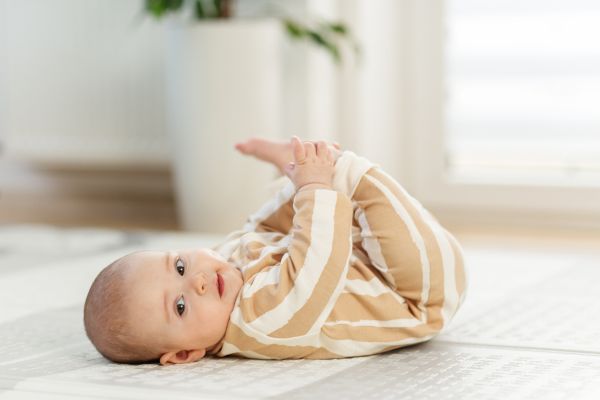
During a baby’s first year, change happens almost too quickly to notice. One month, a newborn is sleeping through most photographs. A few weeks later, that same baby is smiling, grabbing toes, rolling across a blanket, or trying to crawl out of the frame. Parents often feel as though they are watching several different versions of their child appear within a single year.
Monthly baby milestone stickers offer a simple way to document those changes. Placed on a bodysuit, blanket, or nearby prop, they show the baby’s age clearly and turn an ordinary photograph into part of a larger visual story. Their appeal lies in their simplicity. There is no need for an elaborate backdrop, expensive camera, or complicated theme.
With a little consistency and a relaxed approach, milestone sticker photos can become some of the most meaningful images from a baby’s first year.
Why Monthly Milestone Photos Feel So Meaningful
The first year contains dozens of small changes that are easy to miss in everyday life. A baby’s face becomes rounder, hair grows in, expressions become more deliberate, and movements gradually gain confidence. These developments may seem subtle from one day to the next, but they become striking when monthly photographs are placed side by side.
Monthly baby milestone stickers create a clear timeline. They remove the guesswork from old photographs and make it easy to remember whether a picture was taken at three months, seven months, or eleven months.
The photos also preserve more than physical growth. They capture personality emerging. A sleepy one-month-old may become a laughing four-month-old, a serious six-month-old, and a determined ten-month-old who refuses to sit still.
That progression is what makes the final collection feel so personal. It tells the story of growth in a way that a single birthday portrait cannot.
Choosing a Sticker Style That Suits the Photos
Milestone stickers come in many designs, from simple black-and-white circles to floral patterns, woodland illustrations, watercolor animals, stars, rainbows, and seasonal themes. The best style depends on the overall look you want to create.
Neutral designs tend to work well with a wide range of clothing and backgrounds. They also give the final photo series a cohesive, timeless appearance. Colorful stickers can add energy and work beautifully when the rest of the setup is kept fairly simple.
Consider whether the design will remain easy to read in photographs. Tiny lettering or overly detailed patterns may look attractive up close but become difficult to see once the picture is viewed on a phone screen or printed in a small album.
It is also helpful to choose a complete set before beginning the series. Using the same design style throughout the year makes the collection feel connected, even when outfits, locations, or poses change.
Creating a Simple and Repeatable Setup
A monthly photo tradition is easier to maintain when the setup does not require much preparation. A plain blanket near a window, a favorite chair, or a familiar section of the nursery can become the regular setting.
The background should support the sticker design without distracting from it. Soft, solid colors usually work well, especially when the sticker includes patterns or illustrations. If the stickers are minimal, a lightly textured blanket or subtle print can add warmth.
Try to use the same general location each month. This makes the baby’s growth easier to see and reduces the amount of planning required. Over time, parents naturally learn the best camera angle, the most flattering light, and where to place the baby within the frame.
The setup does not have to be identical. Babies grow, seasons change, and life rarely follows a perfect visual plan. A consistent feeling is often enough.
Applying the Sticker Carefully
Most monthly baby milestone stickers are designed to be placed on clothing rather than directly on the baby’s skin. A plain bodysuit provides a smooth surface and keeps the sticker visible.
Apply the sticker shortly before taking the photo. Press it gently so the edges lie flat, especially if the baby is moving. Wrinkles can make the text harder to read and may cause the sticker to lift.
Avoid placing it too close to the baby’s mouth or hands once grabbing begins. Younger babies may leave the sticker untouched, but older babies often find it far more interesting than the camera.
If the sticker does not adhere well to textured fabric, place it on a nearby card, cushion, or blanket instead. The age marker does not need to be attached to clothing to serve its purpose.
Always supervise closely and remove the sticker after the photographs are finished. Small decorative items should never be left within a baby’s reach.
Using Clothing That Keeps the Focus Clear
The outfit should work with the sticker rather than compete against it. Solid-colored bodysuits are a reliable choice because they create a clean surface and make the design easy to read.
White, cream, grey, or muted shades create a classic look. Brighter clothing can also work, particularly when the sticker uses neutral colors. The key is contrast. A pale sticker may disappear against a light outfit, while a busy print can make the wording difficult to see.
Some parents use the same type of bodysuit every month to make growth more obvious. Others change the clothing to reflect the season, a holiday, or the baby’s developing personality.
Comfort matters more than visual perfection. A baby who feels too warm, restricted, or irritated by an outfit will quickly lose patience with the photo session.
Bare feet, soft fabrics, and familiar clothing often result in more natural expressions.
Finding the Best Time for the Photograph
Timing has a major influence on how smoothly a monthly milestone session goes. A well-rested, recently fed baby is usually more comfortable and cooperative.
Try taking photographs after a nap and diaper change, when the baby is alert but not overstimulated. Younger babies may be easiest to photograph shortly after feeding, while older babies may enjoy the session more when it is treated like playtime.
There is no need to take the photograph on the exact date the baby reaches a new month. A day or two on either side will not change the meaning of the image. Waiting for a calmer moment is often better than forcing a session during teething, illness, or an unusually difficult day.
Keep the session short. Babies have limited patience, and some of the best expressions appear within the first few minutes.
Making Natural Light Work in Your Favor
Soft natural light helps baby photographs look warm and gentle without requiring complicated equipment. A large window is often all that is needed.
Position the baby near the window but away from direct sunlight. Harsh sun can create deep shadows, bright patches, and squinting. Indirect morning or afternoon light tends to be more flattering.
Turn off overhead lights if they introduce a yellow tone. Mixed lighting can make skin colors appear uneven and may require heavier editing later.
For overhead photographs, place the blanket on the floor near the window. Stand directly above the baby while keeping the camera parallel to the surface. For seated photos, bring the camera down to the baby’s eye level.
Always prioritize safety when choosing an angle. Never balance on unstable furniture or hold a heavy camera directly above the baby without a secure grip.
Letting the Poses Change With Development
During the earliest months, babies are usually photographed lying on their backs. This position is comfortable, safe, and ideal for showing the sticker clearly.
As the baby gains strength, the photographs can naturally evolve. Tummy-time pictures capture growing head control. Sitting photographs show new balance and confidence. By the later months, crawling, standing, or holding onto furniture may be far more realistic than expecting the baby to remain still.
The pose does not need to match every previous photo. In fact, changing positions can make the development more visible.
A seven-month-old reaching for the sticker or an eleven-month-old crawling away may not fit the original plan, but those moments often become family favorites. They reveal exactly what that stage was like.
Capturing More Than One Perfect Shot
It is tempting to focus entirely on getting one neat photograph with the sticker facing the camera. That image is useful, but it should not be the only one.
Take close-ups of the baby’s expression, hands, feet, hair, and small details that may soon change. Photograph the moment the baby notices the sticker, pulls at it, laughs, or looks toward someone outside the frame.
Burst mode can help capture quick expressions and movement. Babies blink, turn their heads, and shift positions without warning, so taking several frames increases the chance of getting a sharp image.
Do not delete every photograph that feels imperfect. A wrinkled nose, serious stare, or sudden escape may eventually feel more meaningful than the carefully posed portrait.
Keeping the Finished Collection Organized
Monthly photographs become more valuable when they are easy to find. Create a dedicated digital folder and label each image with the baby’s age and date.
Choose one or two favorites from every month rather than saving only the entire camera roll. A smaller, organized collection is easier to print, share, and turn into a first-year album.
Back up the files in more than one place. Phones can be lost, storage accounts can change, and digital memories are more fragile than they appear.
At the end of the year, the images can be arranged in a collage, displayed at the first birthday celebration, or placed in a photo book. Seeing all twelve months together often makes the scale of the baby’s growth feel astonishing.
A Simple Tradition That Preserves a Fast-Moving Year
Monthly baby milestone stickers are small, inexpensive objects, yet they can help preserve an entire year of remarkable change. They give each photograph a clear place in time while allowing the baby’s expressions, movements, and personality to remain the real focus.
The tradition does not need to be flawless. Some months will produce calm, beautifully framed portraits. Others may involve tears, crawling escapes, folded stickers, or a baby who has no interest in cooperating.
Those differences are part of the story.
Years later, the collection will not be treasured because every background matched or every sticker sat perfectly flat. It will matter because it shows a baby becoming more alert, curious, expressive, and independent one month at a time. In the rush of the first year, that is a story worth slowing down to capture.