
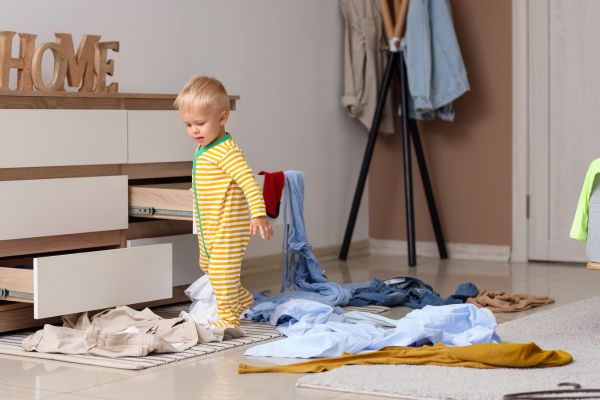
Messy play has a way of making adults hesitate. The spilled water, the sticky fingers, the smears across the high chair tray, the sudden need for a bath before noon — it can all feel like a lot. Yet for babies, mess is often where some of the richest learning happens. They do not separate play from discovery. A soft splash, a squish of banana, a cool patch of yogurt, or a handful of cooked pasta can become a full-body lesson in texture, movement, smell, taste, and cause and effect.
Safe messy play for babies does not need to be complicated, expensive, or wildly chaotic. It simply means giving babies age-appropriate materials they can explore with their senses while keeping safety, cleanliness, and supervision at the center. Done thoughtfully, messy play can be gentle, joyful, and surprisingly meaningful.
Why Messy Play Matters for Babies
Babies learn through their senses before they understand words. They touch, mouth, squeeze, drop, smear, shake, and repeat. This is not random behavior. It is how they gather information about the world.
When a baby presses their hand into mashed avocado, they notice softness, temperature, pressure, and movement. When they splash water, they begin to understand that their hands can create a result. When they drag fingers through a thin layer of puree, they are building early coordination and curiosity.
Messy play also supports confidence. Babies are often told “no” when they reach for things in daily life, especially if those things are unsafe, breakable, or dirty. A safe messy play setup gives them permission to explore freely within clear boundaries. That freedom can be wonderfully satisfying for a little one.
What Makes Messy Play Safe
Safety is the heart of messy play with babies. At this age, almost everything goes into the mouth, so materials need to be taste-safe, non-toxic, and suitable for the baby’s stage. This does not mean every play material must be eaten as food, but it should not be dangerous if a tiny amount ends up in the mouth.
For younger babies, especially those under six months, messy play should be very simple and closely supervised. Babies who are not yet sitting well may do best with small tummy-time sensory experiences, such as touching a sealed sensory bag or feeling a damp cloth. Older babies who can sit in a high chair may enjoy edible textures on a tray.
Avoid small objects, hard pieces of food, raw ingredients that could be unsafe, loose beads, glitter, shaving foam, slime, water beads, and anything that may break into choking-sized parts. Messy play should feel relaxed, but it should never be unsupervised.
Starting Small Without Overwhelming Baby
A baby’s first messy play experience does not need to involve a tray full of colorful materials. In fact, it is often better to start with one simple texture. A spoonful of plain yogurt, a small smear of mashed banana, or a little water on a tray may be enough.
Some babies dive right in. Others pull their hands back and look unsure. That is completely normal. Messy play is sensory-rich, and not every baby loves every texture at first. A cautious baby may need time to watch, touch with one finger, or explore from a parent’s hand before engaging more fully.
The goal is not to create a perfect activity. The goal is to offer a safe invitation. If a baby only pokes the texture twice and then turns away, that still counts as learning.
Edible Finger Painting With Baby-Friendly Foods
Food-based finger painting is one of the easiest forms of safe messy play for babies who have started solids. Instead of using traditional paint, you can use smooth purees, yogurt, mashed fruits, or soft vegetable blends. A high chair tray or washable mat becomes the canvas.
The baby may smear, pat, taste, and swirl the colors together. They may not understand it as “painting,” of course. To them, it is simply a fascinating texture that moves when touched. That is the beauty of it.
Soft foods such as mashed sweet potato, plain yogurt, blended peas, applesauce, or mashed berries can create natural colors and textures. Keep portions small to avoid overwhelming the baby and to reduce waste. Also, use foods the baby has already tried before, especially when allergies are a concern.
Water Play for Gentle Exploration
Water is one of the simplest messy play materials, and babies often love it. A shallow tray with a small amount of water can offer plenty of sensory discovery. Babies can splash, pat, swirl, and watch ripples move across the surface.
For a sitting baby, water play can happen in a high chair tray, on a towel-covered floor, or outdoors in warm weather. Add a soft washcloth, a baby-safe cup, or a large spoon for extra interest. The objects should be too large to choke on and easy to grip.
Water play must always be supervised closely, even when the amount of water is tiny. Babies can slip, tip, or lean forward unexpectedly. Keep the setup simple, stay nearby, and end the activity when the baby seems tired or too excited.
Mashed Food Textures for Sensory Learning
Many everyday baby foods naturally work as messy play materials. Mashed banana, avocado, steamed carrot, cooked pumpkin, soft oatmeal, and thick yogurt all offer different textures. Some are slippery. Some are sticky. Some feel cool, warm, smooth, or slightly lumpy.
This type of play can also help babies become more comfortable with food textures. A baby who is allowed to touch and explore food may feel more curious about tasting it. Mealtime and play do not have to be completely separate, especially during the early stages of solids.
Still, messy food play should not become pressure. If the baby tastes it, fine. If they only touch it, also fine. Let the experience stay light and exploratory.
Cooked Pasta and Soft Sensory Trays
For older babies who can sit well and have already started solids, soft cooked pasta can be an interesting messy play material. Large, soft pasta shapes are easier to hold and squish, but they should still be offered carefully and watched closely. The pasta should be fully cooked, cooled, and soft enough for baby-safe exploration.
You can place a small amount on a tray and let the baby pick it up, squeeze it, drop it, or move it around. Some parents add a little natural food coloring, but plain pasta is often interesting enough. Babies do not need elaborate setups to stay engaged.
As always, avoid small, firm, or sticky pieces that could become a choking risk. Messy play should be adapted to the individual baby’s feeding stage and abilities.
Sealed Sensory Bags for Less Mess
Not every messy play idea has to create a big cleanup. Sealed sensory bags can give babies a chance to explore texture and movement without direct contact with the material inside. A zip-top bag filled with a small amount of yogurt, puree, water, or gel-like food can be taped securely to the floor or high chair tray.
The baby can press, pat, and push the contents around. This can be especially helpful for babies who dislike sticky hands or for parents who want a calmer first step into messy play.
However, sensory bags should still be supervised. Bags can tear, seals can open, and babies may try to bite them. Use strong bags, tape the edges well, and remove the activity as soon as it shows wear.
Outdoor Messy Play With Nature
When weather allows, outdoor messy play can feel easier because the cleanup is simpler. A patch of grass, a shaded patio, or a washable outdoor mat can become a safe sensory space. Babies can touch leaves, splash water, feel mud from a safe distance, or explore soft natural textures with help from an adult.
Nature offers rich sensory experiences, but it also requires careful attention. Avoid small stones, loose soil that may contain unsafe matter, sharp sticks, unknown plants, insects, and anything that could go into the mouth. For babies, outdoor messy play works best when the adult prepares a small, controlled setup rather than letting the baby explore everything freely.
A bowl of water, a few large leaves, or a damp sponge may be more than enough. Simple is often safer and more enjoyable.
Preparing the Space Before You Begin
A little preparation can make messy play much less stressful. Choose a space that is easy to clean, such as a high chair, kitchen floor, bathroom area, or outdoor mat. Dress the baby in clothes that can get dirty, or use only a diaper if the room is warm enough.
Keep wipes, towels, and a bowl of clean water nearby. It helps to plan the cleanup before the mess begins. That way, when the baby is done, you are not carrying a yogurt-covered child across the house while trying to open doors with your elbow.
The play session does not need to last long. Ten minutes can be plenty for a baby. Watch their cues. If they begin rubbing their eyes, turning away, fussing, or throwing everything repeatedly, it may be time to finish.
Letting Babies Lead the Experience
One of the nicest things about safe messy play for babies is that it does not require much instruction. Babies do not need adults to show them exactly what to do. They need time, space, and gentle encouragement.
Instead of constantly guiding their hands, try sitting nearby and observing. You might describe what is happening in simple language: “That feels cold,” “You made a splash,” or “Your fingers are sticky.” These small comments connect words to sensory experiences without interrupting the baby’s focus.
If a baby seems unsure, you can touch the material yourself and smile. But avoid forcing their hands into anything. Respecting their comfort helps messy play stay positive.
Knowing When to Pause or Stop
Messy play should feel safe emotionally as well as physically. Some babies love bold textures. Others are more sensitive and may become upset by sticky fingers, wet sleeves, or unexpected coldness. There is no need to push through discomfort.
If the baby cries, pulls away, stiffens, or seems distressed, pause the activity. Offer a clean cloth, a cuddle, or a different texture next time. Sensory confidence grows gradually.
It is also fine if messy play is not a daily activity. A few thoughtful sessions each week can still offer plenty of benefits. The point is not to create constant stimulation. It is to give babies meaningful opportunities to explore the world in a safe, hands-on way.
Conclusion
Safe messy play for babies is less about making a big, colorful scene and more about offering small moments of discovery. A spoonful of yogurt, a splash of water, a smear of mashed banana, or a sealed sensory bag can invite a baby to touch, notice, move, and learn.
Yes, there may be sticky fingers and a little extra cleanup. But there is also curiosity, concentration, and joy in those ordinary messes. Babies are not trying to create chaos. They are trying to understand texture, sound, movement, and their own growing abilities.
When messy play is simple, supervised, and age-appropriate, it becomes a beautiful part of early development. It gives babies permission to explore with their whole selves, and sometimes, that is exactly what they need most.